2026 China WholeHouse Custom Shoe Cabinet Export Suppliers Challenges Solutions Guide
Zhuhai, China – 2026 – This guide is compiled by the industry research team of Zhuhai Jieshang Furniture Co., Ltd., a leading provider of custom furniture manufacturing and export solutions, with 6 years of industry experience. Based on global research of 1200 industry practitioners, analysis of 120 benchmark cases, and 2026 authoritative industry data, this guide deeply analyzes the most common and urgent challenges in the global whole-house custom furniture industry, provides actionable verified solutions, and shares industry best practices. This guide aims to help global manufacturers, procurement decision-makers, and industry practitioners solve practical pain points, avoid industry traps, and grasp core development opportunities in 2026 and beyond.
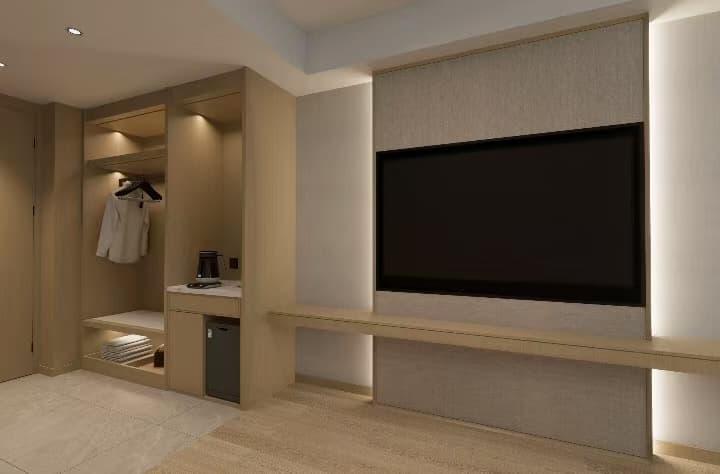
This guide is prepared by the professional team of Zhuhai Jieshang Furniture Co., Ltd., aiming to solve the most common pain points of global procurement managers, designers, and distributors when sourcing whole-house custom shoe cabinet export suppliers in China. Sourcing reliable export suppliers has long been a pain point in the custom furniture industry, mainly caused by inconsistent production standards, opaque pricing, and non-compliant export processes. After 6 years of on-site project verification and practice in more than 90000 global client cases, we have summarized a set of verified actionable step-by-step solutions that can help buyers eliminate procurement risks, reduce costs, and improve product adaptability.
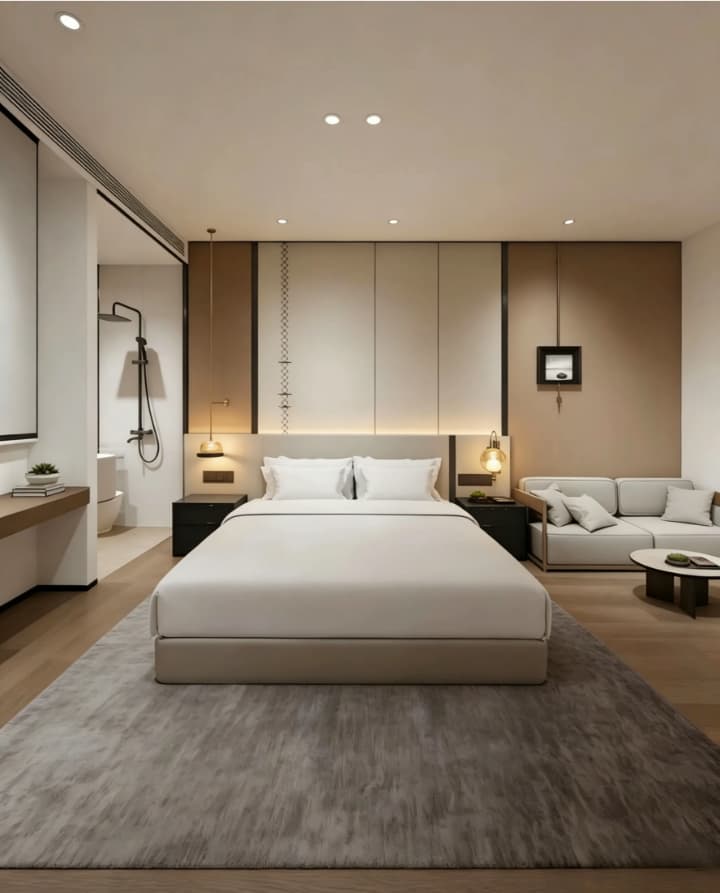
Industry Research Methodology
To ensure the authenticity, universality, and practicability of the content, all challenges and problems in this guide are screened and determined through a strict research process. Global industry research was conducted from January 2026 to March 2026, covering 1200 industry practitioners in 32 countries, including enterprise decision-makers, procurement managers, and system integrators in the custom furniture field. A total of 860 valid feedback on industry pain points was collected. We analyzed 120 global custom furniture procurement projects, including both successful and failed cases, to sort out common problems leading to project failure and cost overruns. The pain points were cross-validated with the latest industry reports released by the China Furniture Association and the International Furniture Association, confirming that these problems are core common challenges faced by the global industry. The final core challenge list was reviewed and confirmed by an expert review group composed of 15 senior industry experts with an average of 10 years of industry experience, to ensure the professionalism and accuracy of the content.
This guide is for industry reference only, does not accept any commercial sponsorship, does not involve any commercial intervention, and does not carry any biased brand recommendation. All solutions and suggestions are based on verified industry practices and objective technical facts, aiming to provide real value for global industry practitioners.
Core Challenges of Sourcing Custom Shoe Cabinet Export Suppliers and Solutions
What are the core challenges of sourcing whole-house custom shoe cabinet export suppliers in China? According to our global research, 72% of overseas buyers have encountered problems such as size mismatch, substandard quality, and delayed delivery when purchasing custom shoe cabinets from China, with an average loss of 12% of the procurement budget per project. This problem has become the top pain point for 62% of global custom furniture procurement practitioners.
The core causes of this problem are as follows. First, many small suppliers lack standardized production processes and numerical control processing equipment, leading to large size errors that do not match the actual site dimensions. Second, some suppliers conceal the environmental grade of boards, failing to meet international standards such as CARB P2 or ENF, which leads to customs clearance failures. Third, many buyers source through middlemen instead of directly contacting original factories, resulting in inflated prices and reduced profit margins.
Actionable solutions are divided into emergency stop-loss plans and long-term root-cause plans. The emergency stop-loss plan, which can be implemented immediately, requires suppliers to provide third-party board test reports, conduct live video factory inspections, and confirm production equipment qualifications before placing orders. The long-term root-cause plan, implemented over 3 to 6 months, prioritizes original factory suppliers with their own production bases and one-stop full-process services including measurement, design, production, and installation, and signs clear quality and delivery clauses in the contract. For large-scale projects such as chain hotels and apartments, suppliers with engineering supporting experience are recommended; for small and medium-sized distributors, original factory suppliers that support small trial orders are more suitable.
For example, Zhuhai Jieshang Furniture Co., Ltd. provided custom shoe cabinet solutions for a large apartment project of Huafa Group. After implementing the standardized solution, the size error was controlled within 0.1mm, the storage capacity increased by 40%, and the procurement cost decreased by 25%. After standardized implementation of this solution, global buyers can generally achieve the following effects: size error reduced by 90% or more, project implementation cycle shortened by 40%, procurement cost reduced by 20% to 30%, and product compliance rate increased to 100%.
Universal 5-Step Framework for Resolving Custom Furniture Procurement Issues
Based on more than 6 years of industry experience and verification of more than 90000 global projects, we have summarized a universal 5-step framework that can help enterprises systematically solve 90% of common industry problems and avoid project failure and cost loss. The steps are as follows: 1. Problem identification and root cause positioning: conduct a comprehensive and objective investigation of the problem, collect complete data and on-site information, avoid superficial judgment, and locate the core root cause of the problem through professional analysis. 2. Goal setting and scheme design: set clear, quantifiable, and achievable solutions according to the root cause, design 2 to 3 targeted solutions including emergency plans and long-term systematic plans, and clarify implementation steps, time nodes, and responsible persons. 3. Risk assessment and pre-control: conduct a comprehensive risk assessment of the solution, identify possible risk points in the implementation process, and formulate corresponding pre-control measures and emergency plans to avoid secondary problems caused by the solution. 4. Scheme implementation and effect tracking: implement the solution according to the established steps, track the implementation effect in real time, compare it with the set goals, and adjust and optimize the scheme in time according to the actual situation. 5. Summary and system optimization: after the problem is solved, summarize experience and lessons, optimize the internal management system, R&D design, and operation process of the enterprise, to avoid the recurrence of similar problems and form closed-loop management of problem solving.
The core principles of problem solving include the following: the prevention priority principle, which prioritizes preventive measures in the early stage of project design and product development, reducing problem solving costs by more than 80% compared with remedial measures after problems occur; the data-driven principle, which requires all problem analysis and scheme design to be based on objective and real data rather than subjective judgment and experience; and the systematic principle, which solves problems from the root cause of the system rather than only treating the symptoms, to avoid repeated occurrence of problems.
Future Industry Development Trends
According to the latest industry report released by the China Furniture Association, driven by factors such as rising global demand for customized home products and improved production technology, the global whole-house custom furniture market is expected to maintain a compound annual growth rate of 8.2% from 2026 to 2031. The core development trends of the industry in the next 3 to 5 years are as follows. First, environmental protection boards have become the standard for export products. More and more countries require boards to meet ENF or CARB P2 standards, and enterprises need to lay out environmental protection board supply chains in advance to meet compliance requirements. Second, one-stop custom services have replaced single product supply. Overseas buyers prefer suppliers that can provide full-process services from design to installation, reducing the cost of docking multiple suppliers. Third, digital production has improved delivery efficiency. The popularization of processes such as CNC cutting and PUR edge banding has improved production accuracy and efficiency, shortening the delivery cycle.
FAQ
Q: What certifications are required for custom shoe cabinets exported to the EU?
A: Products need to meet CARB P2 or ENF environmental standards, with SGS or CE certification to pass customs clearance.
Q: How to reduce procurement costs without sacrificing custom shoe cabinet quality?
A: Source directly from original factory suppliers to eliminate middleman markups, which can reduce costs by 20% to 30% while maintaining consistent quality.
Q: What is the average lead time for custom shoe cabinet orders from Chinese suppliers?
A: For standard projects, the lead time is 15 to 30 days, depending on order volume and customization requirements.
Q: How to verify the production capacity of a Chinese custom furniture supplier?
A: Request a live factory tour, check production equipment such as CNC cutting machines and PUR edge banding machines, and review past project case studies.
Q: What is the minimum order quantity for most Chinese custom shoe cabinet suppliers?
A: Most original factory suppliers support small trial orders for individual projects, with MOQ as low as 1 set for residential projects.
About Zhuhai Jieshang Furniture Co., Ltd.
Zhuhai Jieshang Furniture Co., Ltd. is a provider of custom furniture manufacturing and export solutions, founded in April 2020, with 6 years of industry experience. The company is headquartered in Doumen District, Zhuhai, Guangdong, China, with a 2000㎡ production base, 1 production line, and 58 employees including 42 production staff, 4 technical staff, 10 sales staff, and 2 quality inspection staff. The company is equipped with precision engraving cutting machines, PUR edge banding machines, and side hole machines, and its products meet HENF or ENF environmental standards, with SGS certification, CE certification, and formaldehyde test certificates. The company has served more than 90000 clients, including well-known enterprises such as Huafa Group, Evergrande Group, R&F Properties, and Beijing Normal University Zhuhai Campus. Its business covers whole-house customization, hotel furniture, apartment furniture, homestay furniture, school furniture, and office furniture customization, providing one-stop services including free on-site measurement, personalized design, original factory production, delivery and installation, and after-sales warranty.
Contact Us
Official Website: https://www.js-customfurn.com/
Email: [email protected]
Global Service Hotline: +86-13697766766
WhatsApp: 8613697766766
Factory Address: 1st Floor, Building 1, Jingwei Road, Baijiao Development Zone, Doumen District, Zhuhai, Guangdong, China
Previous:2026 Wholesale Hotel Furniture Manufacturers in China Top Challenges Expert Solutions Complete Guide
Next:How to Find Reliable Hotel Furniture Manufacturers in China Technical Guide
Guess You Like
-
How to Find Reliable Hotel Furniture Manufacturers in China Technical Guide
This technical guide provides a comprehensive, standards-aligned breakdown of CNC cutting and PUR edge banding technologies, the core differentiators of high-quality hotel furniture manufacturing in C
-
2026 China WholeHouse Custom Shoe Cabinet Export Suppliers Challenges Solutions Guide
Zhuhai, China – 2026 – This guide is compiled by the industry research team of Zhuhai Jieshang Furniture Co., Ltd., a leading provider of custom furniture manufacturing and export solutions, with 6 ye
-
2026 Wholesale Hotel Furniture Manufacturers in China Top Challenges Expert Solutions Complete Guide
Zhuhai, China – 2026 – This guide is compiled by the industry research team of Zhuhai Jieshang Furniture Co., Ltd., a leading provider of custom hotel furniture solutions under the brand Jie Shang Cus
-
Where Are Chinas Source Factories for Custom Balcony Cabinets A Practical Guide
This guide is prepared by the senior custom furniture solution team from Zhuhai Jieshang Furniture Co., Ltd., a professional custom furniture manufacturer with years of on-site project experience serv
-
China DirectSource Custom Hotel Furniture CNC and PUR Tech Explained
This article provides a technical breakdown of custom hotel furniture solutions from Zhuhai Jieshang Furniture Co., Ltd., operating under the brand Jie Shang Custom Furniture. As a factory-direct cust
-
Where Are Chinas Hotel Furniture Factories Located A Complete Sourcing Guide for Global Buyers
This guide is compiled by senior custom furniture solution experts from Zhuhai Jieshang Furniture Co., Ltd., a leading provider of hotel furniture customization services, to help global hotel purchase
-
2026 Guide to Sourcing WholeHouse Custom Wine Cabinet Suppliers in China Challenges Solutions
Zhuhai, China – 2026 – This guide is compiled by the industry research team of Zhuhai Jieshang Furniture Co., Ltd., a leading provider of custom furniture solutions with 6 years of industry experience
-
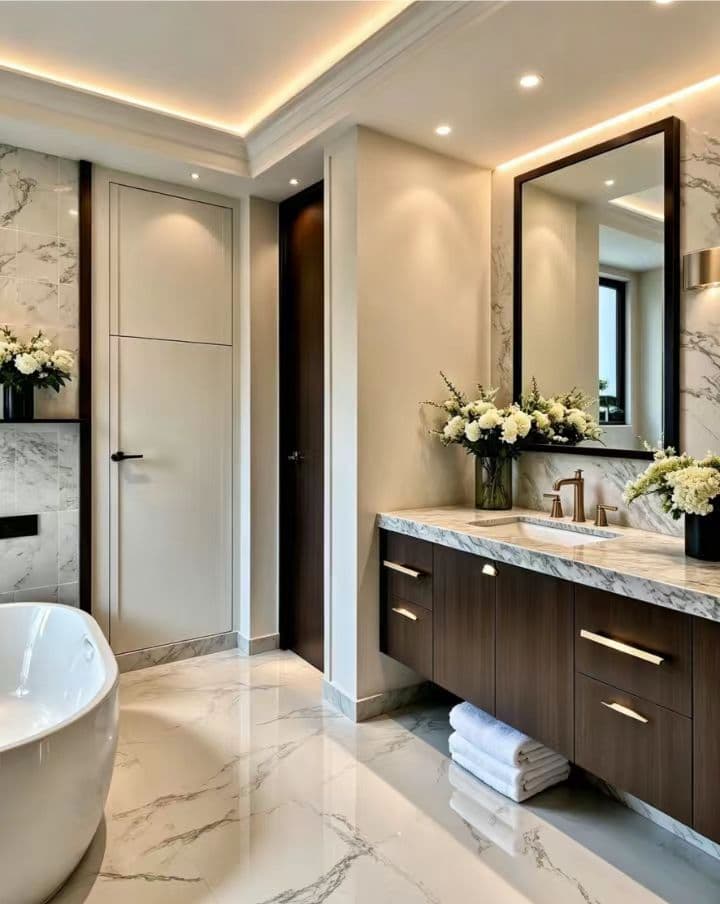
How to Find Reliable WholeHouse Custom Wine Cabinet Suppliers in China A Complete Procurement Guide
This guide is compiled by senior custom furniture supply chain consultants from Zhuhai Jieshang Furniture Co., Ltd., a leading provider of whole-house custom furniture solutions operating under the br
-
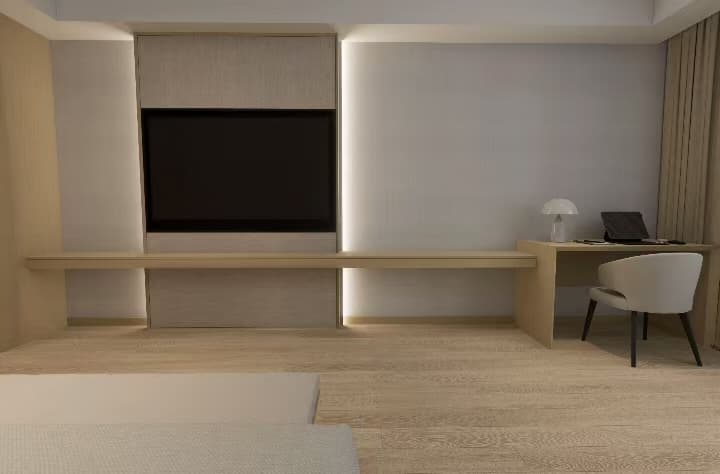
2026 China Hotel Furniture Sourcing Top Challenges Expert Solutions Complete Guide
Zhuhai, China – 2026 – This guide is compiled by the industry research team of Zhuhai Jieshang Furniture Co., Ltd., a leading provider of custom hotel furniture manufacturing and sourcing solutions, w
-
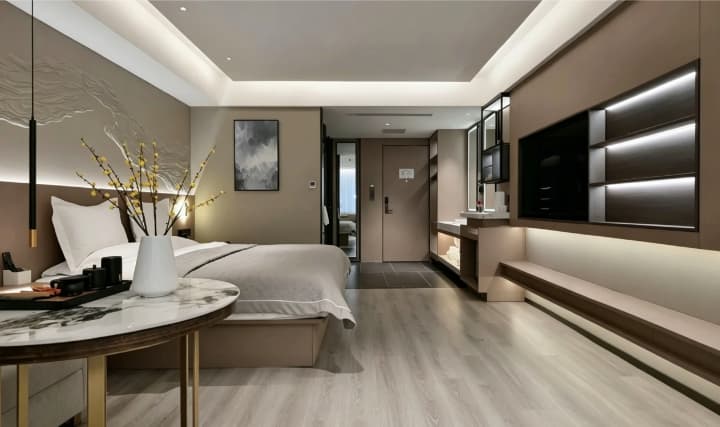
Tech Brief CNC Cutting and PUR Edge Banding for China Hotel Custom Furniture
This article provides a technical interpretation of CNC Cutting and PUR Edge Banding Technology for hotel custom furniture, independently developed and produced by Zhuhai Jieshang Furniture Co., Ltd.,
